
What separates extraordinary engineers from the rest?
Not credentials. Their craft. The elegance of their thinking, the audacity of their vision, the thousand hours that separated insight from noise.
As an expert software engineer, you've built systems that serve thousands. You've debugged production systems with thousands of users.
Now you want more. Not just money, but meaning. Work that respects your expertise.
We analyzed eight paths engineers can take to earn a flexible income. Some reward genuine technical judgment. Others reward marketing yourself effectively. Some offer absolute autonomy. Others offer performative flexibility with hidden time commitments.
Here's what each pays, which trade-offs matter, and how to identify which path fits your actual constraints.
1. AI training
We start here because when companies build frontier AI systems, they need humans to assess whether generated code actually works. Whether reasoning chains hold under scrutiny. Whether "correct" answers are actually correct.
At DataAnnotation, AI training involves evaluating whether AI-generated code handles edge cases correctly, ranking chatbot responses based on technical accuracy and instruction-following, and identifying subtle logical flaws in reasoning chains.

This requires the same judgment you apply to debugging production code: spotting what's missing in superficially correct answers, understanding why one solution is elegant while another creates technical debt, and evaluating trade-offs that automated checks can't detect.
AI training pros:
- Complete schedule flexibility. High project availability with no fixed hour requirements or daily login expectations. Projects run 24/7 across time zones.
- Meaningful contribution to AGI development: You're teaching models that power frontier models. Your evaluations directly improve capabilities used by millions.
- Zero client management overhead. Skip proposal writing, bidding wars, and scope negotiations entirely. Pass the Starter Assessment, choose projects, and work.
- Transparent payments. General projects start at $20/hour. Coding and STEM projects start at $40/hour. Professional domain work in law, finance, or medicine begins at $50/hour. Consistent weekly payments with dashboard tracking.
AI training cons:
- Initial qualification hurdle. Starter Assessment requires focus and attention to detail. No credentials guarantee acceptance. Capability does.
- Learning curve for specialized tiers. Higher-paying STEM and Coding projects demand domain expertise and real-world experience.
Best for: Engineers who value craft over credentials, want flexibility without freelance client management, and care about contributing to frontier AI development.
2. Bite-sized freelancing on Fiverr and Upwork
The stress of traditional freelancing hits when you log off your day job, open platforms like Upwork, and scroll past a dozen cut-rate bids before spotting one project that pays what your abilities deserve.

That constant chase defines the typical freelance experience.
We tested Upwork, Toptal, and Fiverr. On marketplaces like these, you can post gigs to "fix a React bug" or "add Stripe to a Node.js backend" and charge around $25 an hour once you build a reputation. Rates scale with reviews, niche expertise, and delivery speed.
Toptal
On Toptal, the screening process took two weeks, including a technical interview and a test project.

Once accepted, hourly rates reached $60 or more for specialized work. But client acquisition still required proposals, and Toptal's curated matching meant fewer available projects than mass-market platforms.
Fiverr
On Fiverr, package-based pricing (fixed deliverables rather than hourly rates) created perverse incentives.
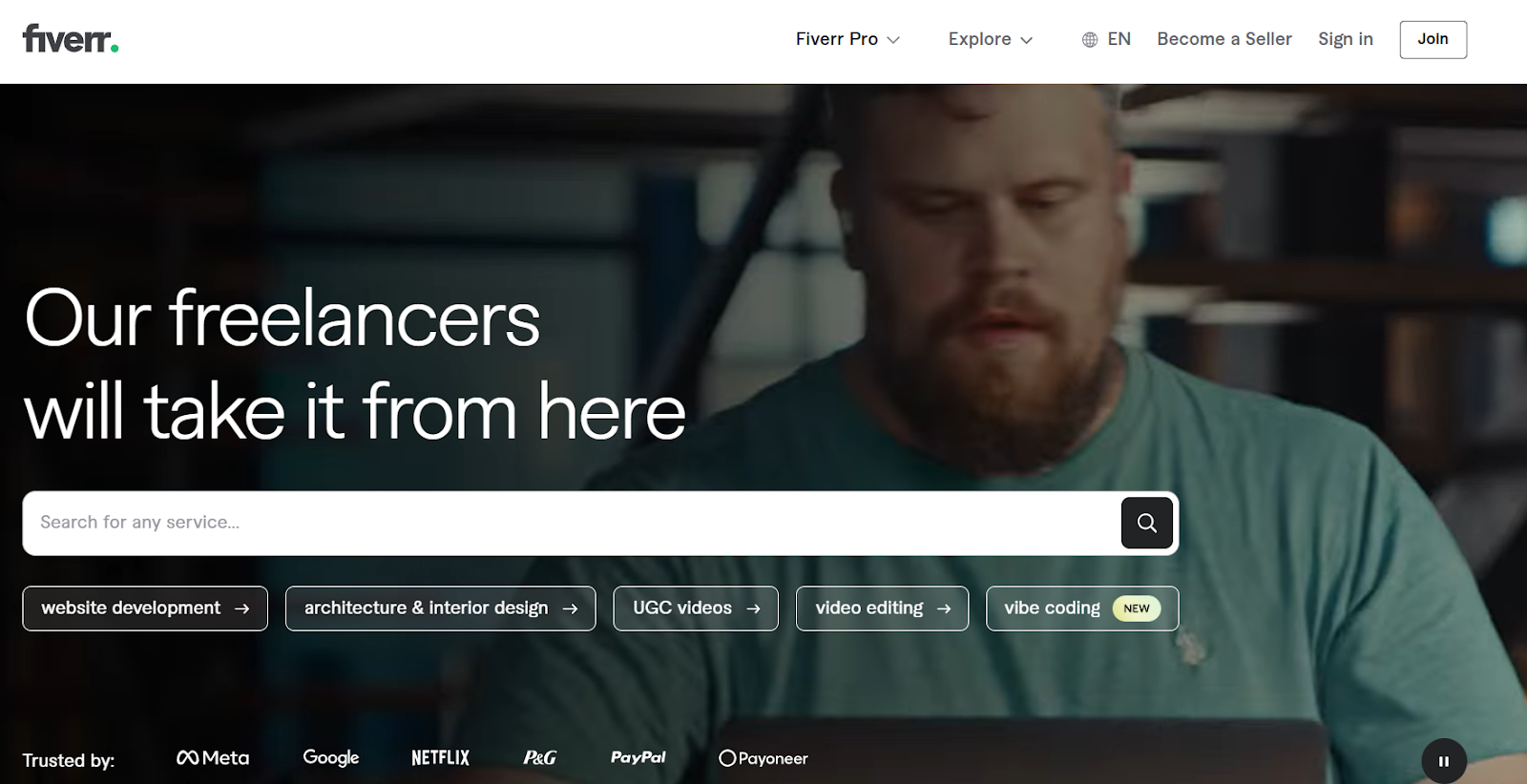
Clients optimized for the cheapest packages, leading to scope creep as they requested "small additions" after purchase. Managing expectations took more energy than actual coding.
Success requires a tight project scope and sharper marketing than competitors. Strong Git discipline, clear documentation, and patient communication matter as much as clean code.
Freelancing pros:
- Unlimited earning potential. Top performers command premium rates for specialized emergency fixes and rush projects.
- Portfolio-building opportunities. Diverse client work proves adaptability across different tech stacks.
- Direct client relationships. Successful projects can convert into long-term retainer clients outside the platform.
Freelancing cons:
- High platform fees. Fiverr and other freelance platforms take a percentage of your pay.
- Feast-or-famine income. Weeks can pass without project wins, creating severe cash flow unpredictability.
- Constant marketing is required. Success demands ongoing proposal writing, bid optimization, and client communication.
Best for: Developers confident in self-promotion who thrive on landing high-value emergency projects and can handle severe income volatility.
3. One-to-one coding tutoring and mentorship
You already field questions from co-workers. Why not get paid for that same guidance? One-to-one coding tutoring transforms your knack for explaining complex ideas into billable hours.
Platforms like Superprof, Codementor Live, and MentorCruise let you set up a profile, list the languages you know best, and connect with students who need exactly those abilities. Sessions typically pay $20+ per hour, with niche expertise commanding higher rates.
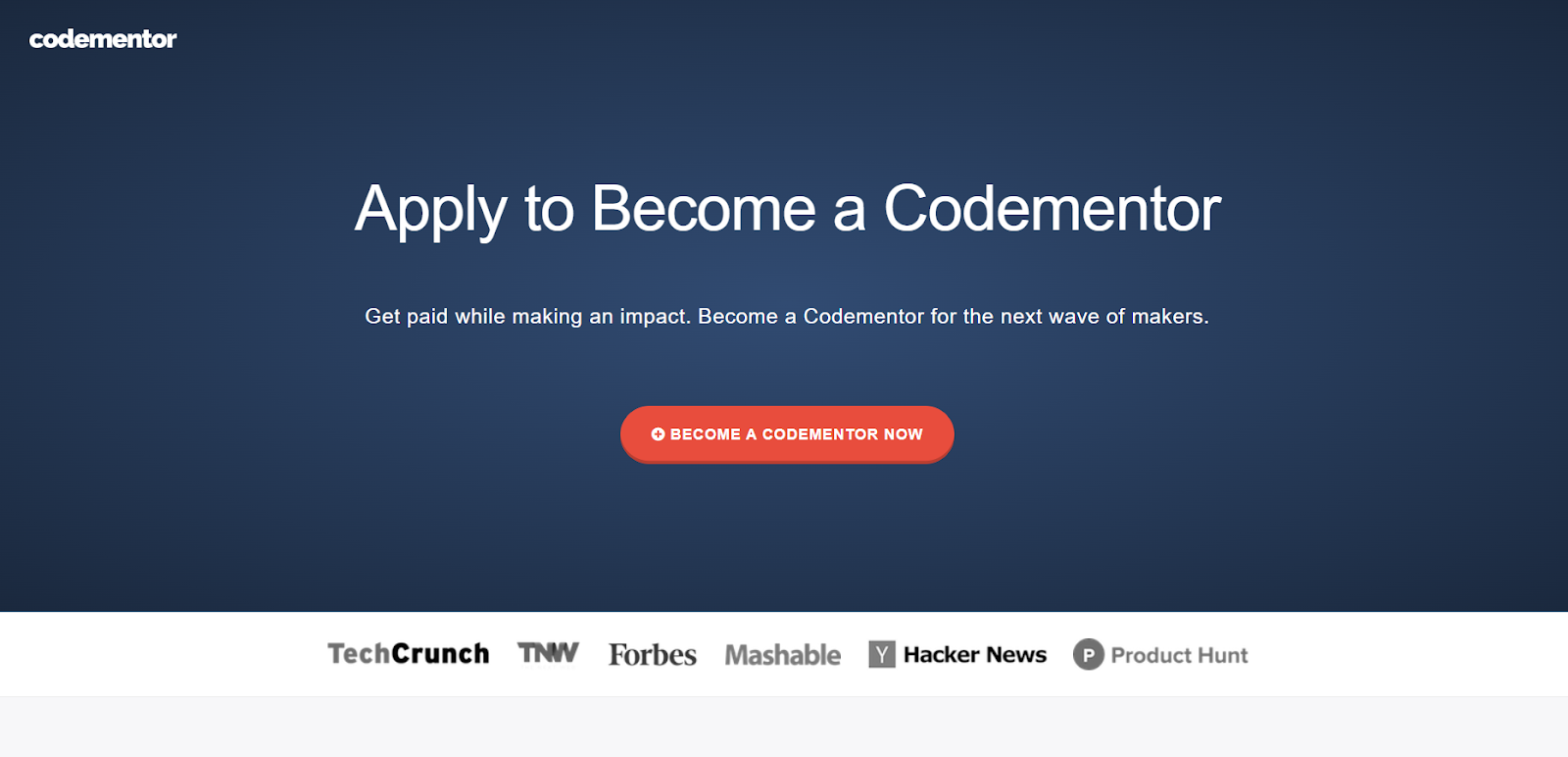
Success depends on soft skills your day job rarely rewards: patience, straightforward explanations, and breaking bugs down into digestible steps.
To start, you can record a short demo lesson, post annotated code samples on GitHub, and set availability windows around your primary job. Consistent students book recurring slots, turning sporadic coaching into a steady income.
The trade-off involves lessons that demand prep work and fixed meeting times.
Coding tutoring pros:
- Recurring revenue potential: Consistent students create a predictable monthly income through scheduled recurring sessions
- Personally rewarding work: Direct impact on student success creates satisfaction beyond financial compensation alone
- Rate flexibility: Set your own pricing based on expertise level, with premium rates for specialized knowledge
Coding tutoring cons:
- Scheduling coordination burden: Fixed meeting times conflict with unpredictable work schedules and personal commitments
- Lesson preparation overhead: Pre-session planning and custom material creation consume unpaid hours before teaching
- Strong interpersonal skills required: Success demands patience, communication abilities, and emotional intelligence beyond technical knowledge
Best for: Developers who enjoy teaching and explaining technical concepts with the patience and communication skills to break down complex topics. Tutoring rewards those who find satisfaction in mentoring others, but requires calendar management and client relationship skills.
4. Selling reusable code snippets and templates
Do your GitHub repos contain dozens of utility functions, component libraries, and boilerplate projects that solve real problems? Instead of letting them collect digital dust, you can turn these assets into revenue streams.
Marketplaces like Codester, ThemeForest, GitHub Marketplace, and CodeCanyon connect your code with developers who need precisely what you've already built.

The quality bar is high: only clean, well-documented code sells. A comprehensive README, live demos, and clear examples separate profitable templates from abandoned listings. Choose your licensing carefully. An MIT license builds adoption, while commercial permits protect premium features.
Expect significant upfront work. You'll refactor code for broader use, write detailed documentation, create example projects, and design pricing tiers. Once listed, sales become passive income, though you'll handle bug reports and compatibility updates as platforms evolve.
This path requires patience and polish. You invest weeks of preparation time before seeing your first sale, then maintain the codebase as frameworks change. The payoff comes through accumulated royalties over months or years.
Code sales pros:
- True passive income: Once published, quality components generate recurring revenue with minimal ongoing effort
- Portfolio enhancement: Professional marketplace presence demonstrates expertise to potential employers and clients
- Community recognition: Popular components build your reputation within the developer community organically
Code sales cons:
- Weeks of upfront investment: Significant refactoring, documentation, and example creation required before first sale
- Ongoing maintenance burden: Framework updates and bug reports demand continued attention even after the initial release
- Highly competitive marketplaces: Established sellers with strong reviews dominate search rankings and customer trust
Best for: Creative developers with reusable solutions and an eye for marketable components who can invest weeks of preparation for potential long-term passive income. This approach rewards patience and polish but requires significant upfront work.
5. Bug bounty hunting
You've probably fixed enough bugs in your own code to know how costly a security slip can be. Bug bounty programs flip that pain into profit. Companies pay independent researchers for responsibly disclosing vulnerabilities.
On platforms like HackerOne and Bugcrowd, or through direct programs that many tech giants host, you choose your targets, test their defenses, and submit detailed reports.
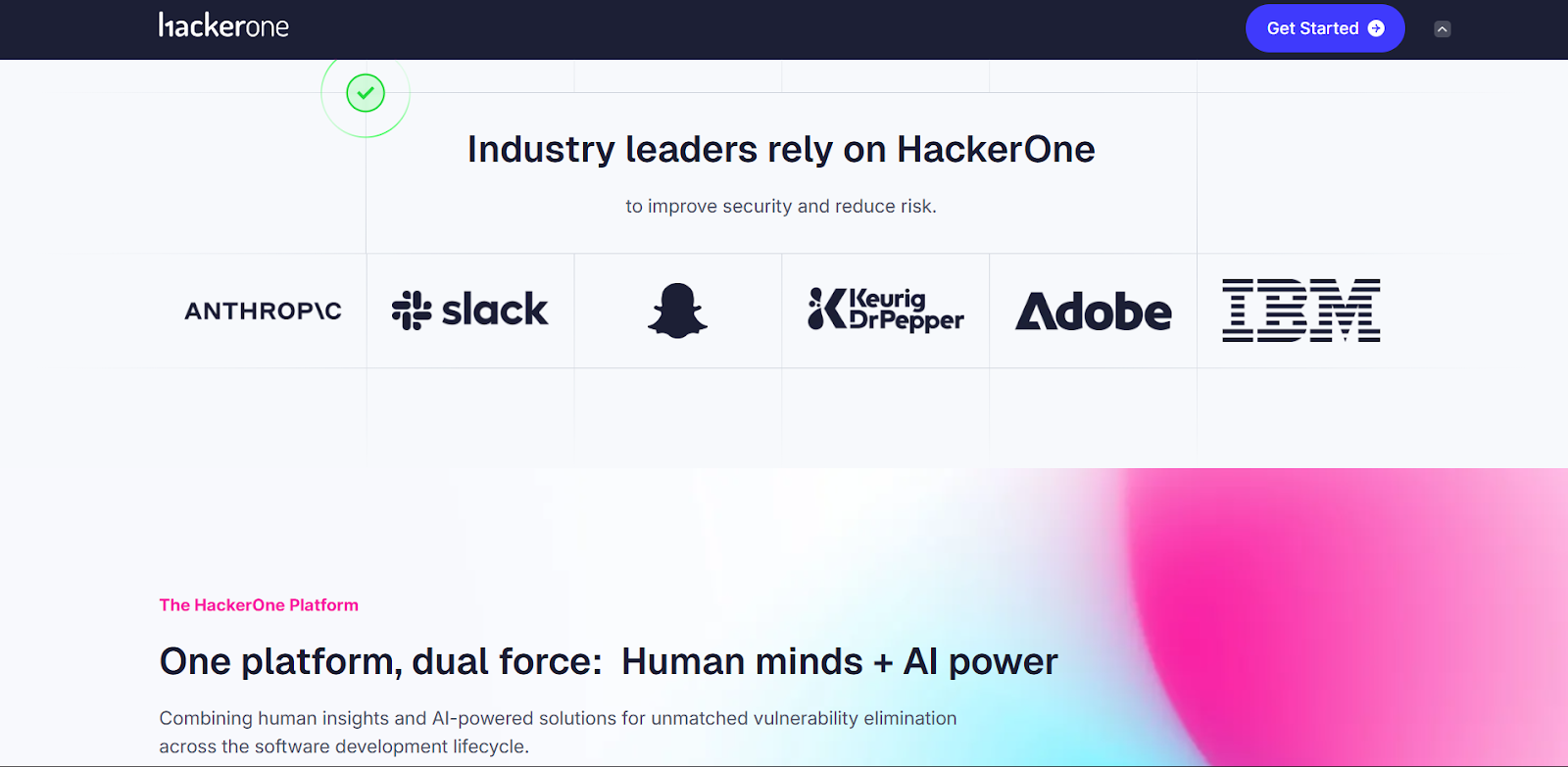
Payouts vary dramatically, ranging from a few hundred dollars to several thousand, depending on how many vulnerabilities you find. That upside comes at a cost: no bug, no pay. Success requires deep knowledge of the OWASP Top 10, tool-assisted penetration testing, and thinking like an attacker.
New researchers should start with free resources like Hacker101's CTFs to sharpen their abilities and build a platform reputation. Your first accepted report creates credibility. The next company trusts your findings more easily.
Bug bounty work offers excitement but represents the most volatile income stream covered here. One month, you might earn thousands; the next month, you might earn nothing.
Bug bounty pros:
- Continuous skill development: Constant learning about new attack vectors and security techniques keeps expertise sharp
- Flexible research schedule: Choose which programs to target and when to research without fixed commitments
Bug bounty cons:
- Extreme income volatility: Months can pass without successful vulnerability discoveries, creating zero earnings periods
- Highly competitive environment: Elite researchers dominate high-value programs, making breakthrough discoveries increasingly difficult
- Specialized expertise required: Success demands deep security knowledge beyond general software development skills
Best for: Security-focused developers with persistence and a systematic approach who can handle the highest income volatility among all side jobs. If you thrive on puzzles and can manage months without earnings while building expertise, bug bounty hunting offers both significant rewards and continuous learning.
6. Launching mini-courses on Udemy / Skillshare
Your day job pays you for 40 hours a week. Your expertise could earn more. That Git workflow you explained to different teammates this month? The debugging technique that saved your project last week? Those abilities translate into mini-courses that earn while you sleep.
Mini-courses work because busy professionals want focused solutions, not marathon sessions. Your one-hour course on "Docker for JavaScript Developers" or "API Testing with Postman" can target exactly what someone needs to solve today's problem.
Platforms like Udemy, Skillshare, and Pluralsight pay through revenue sharing or per-enrollment models. So you can create once and earn repeatedly.

The setup requires screen-capture software, basic editing skills, and the ability to structure material around concrete outcomes. The catch involves investing weeks in scripting, recording, and marketing before seeing your first dollar. Course creation also means ongoing student questions and platform algorithm changes.
Mini-courses build your professional brand and demonstrate expertise to potential employers or clients. The downside is the production marathon: writing scripts, recording takes, editing footage, creating thumbnails, and handling student support.
Mini-course pros:
- Scalable passive revenue: Creating a single course generates recurring income without per-engagement time investment
- Professional credibility boost: Published courses demonstrate expertise more powerfully than resume bullet points alone
- Broader reach than tutoring: Impact hundreds or thousands of students simultaneously, versus one-on-one teaching constraints
Mini-course cons:
- Weeks of production time: Creating a complete, high-quality course demands several weeks before you can publish and earn your first dollar
- Platform dependency risks: Algorithm changes or policy updates can reduce visibility and earnings overnight
- Ongoing support obligations: Student questions and platform updates require continued attention even after course launch
Best for: Educators with niche expertise who can create engaging video content and invest weeks upfront for potential long-term passive income. Mini-courses reward those building a teaching reputation.
7. WordPress plugin development and sales
WordPress runs 43% of the internet, yet clients constantly hit walls where "no plugin exists for that." Each gap represents a chance to build something useful, package it properly, and sell it through WordPress.org for free exposure, CodeCanyon for direct sales, or your own site for subscription revenue.
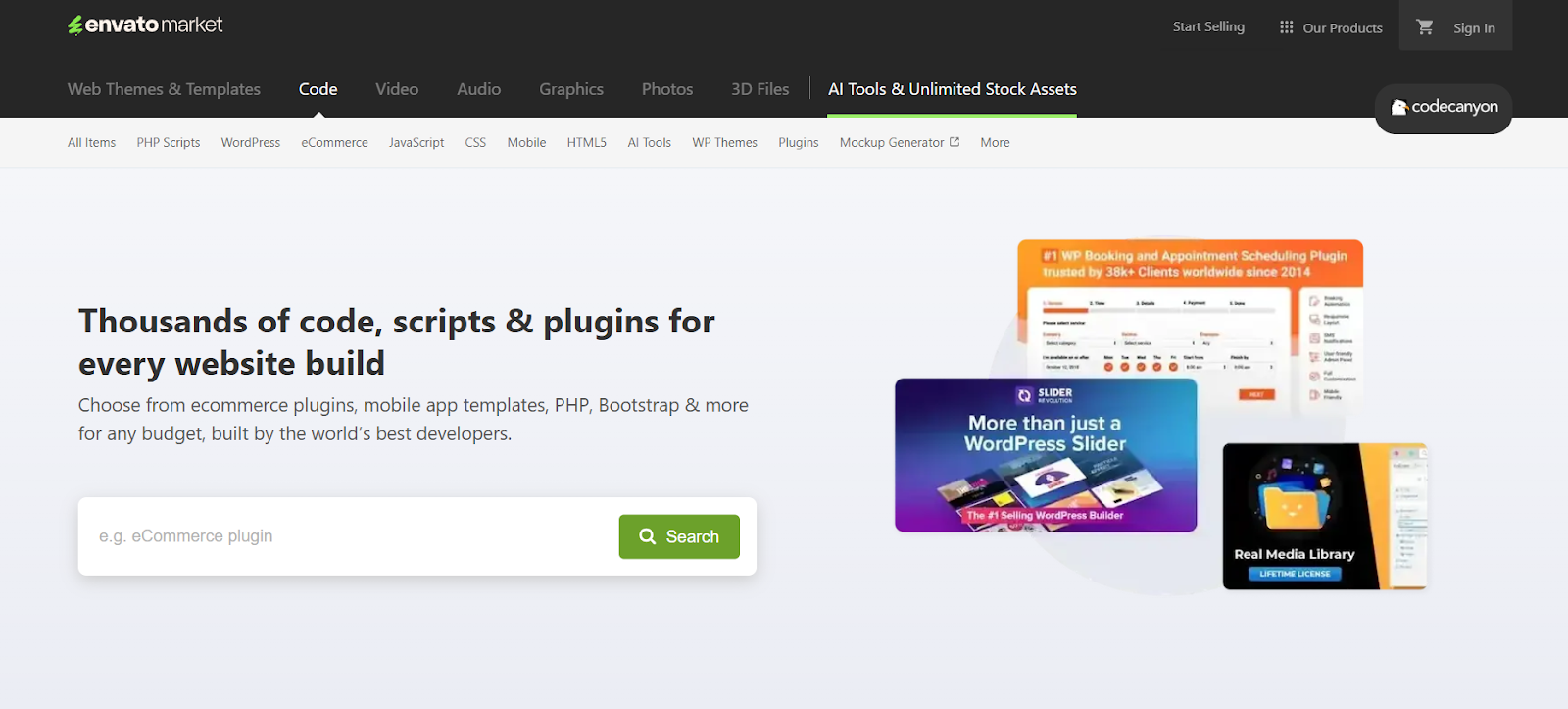
You need solid PHP and JavaScript skills as your foundation. Both languages appear in almost every developer job description, and understanding them lets you tap into WordPress's hook-and-filter system, which makes everything work.
Add REST API knowledge, version control habits, and thorough testing practices, and you're equipped to ship updates without breaking customer sites.
Start simple: spot a real problem, build the smallest working solution, document it clearly, and release version 1.0. User feedback drives your next features while revealing bugs you'll need to patch.
Successful plugins generate income that continues to flow after your initial work. Plugin revenue can exceed typical hourly rates from other tech side work, but only after you complete that upfront development sprint.
Plugin development pros:
- Recurring subscription potential: Premium plugins with annual licensing create predictable monthly revenue streams
- Large built-in market: WordPress's massive user base provides an immediate audience for well-targeted solutions
- Product ownership benefits: You control pricing, features, and distribution without platform intermediaries taking cuts
Plugin development cons:
- Permanent maintenance obligation: Security patches, compatibility updates, and bug fixes demand ongoing technical attention
- Customer support burden: User questions, setup issues, and feature requests consume time beyond initial development
- Significant upfront investment: Months of development and testing required before generating the first dollar of revenue
Best for: Developers familiar with the WordPress ecosystem who can identify market needs and commit to long-term product maintenance. Plugin development rewards those who enjoy building products and don't mind customer support emails.
8. On-demand code review sessions
You already solve gnarly bugs for your day job. On-demand code review lets you get paid for that same problem-solving in real time. When another developer hits a wall, they start a live screen-share, you dive in, and help them fix the issue.
These micro-consulting calls can last several minutes or run an hour, covering everything from performance problems to untangling merge conflicts.
Rates mirror senior-level freelance work. On marketplaces that match experts with stuck developers, code reviewers earn $30+ per hour. Because clients pay by the minute, you're rewarded for speed and clarity rather than long project timelines.
To succeed, you need three things:
- A strong knowledge of programming languages across multiple domains
- The ability to pinpoint root causes fast
- The patience to coach a frazzled stranger
A polished profile that spotlights your strongest stacks, clearly shows availability windows, and includes a few glowing reviews will keep requests flowing.
Code review pros:
- Immediate income opportunity: Accept sessions on demand and receive payment within minutes of completion
- Pure technical focus: The work uses your debugging skills without requiring client management or long-term commitments
- Variable session length: Quick fixes or hour-long deep dives let you control time investment
Code review cons:
- Unpredictable demand patterns: Request flow varies dramatically by day and week, creating income uncertainty
- Constant context switching: Jumping between different codebases and problem domains creates mental overhead and fatigue
- Real-time pressure: Live sessions demand immediate problem diagnosis without preparation time or research opportunities
Best for: Experienced developers who excel at debugging and explaining solutions under pressure, with patience for coaching frazzled strangers.
How AI training at DataAnnotation provides flexible income for expert software engineers
AI training (evaluating and improving AI model outputs) fits the limited-time constraint because assessment handles matching, quality measurement drives advancement, and projects fit focused blocks.
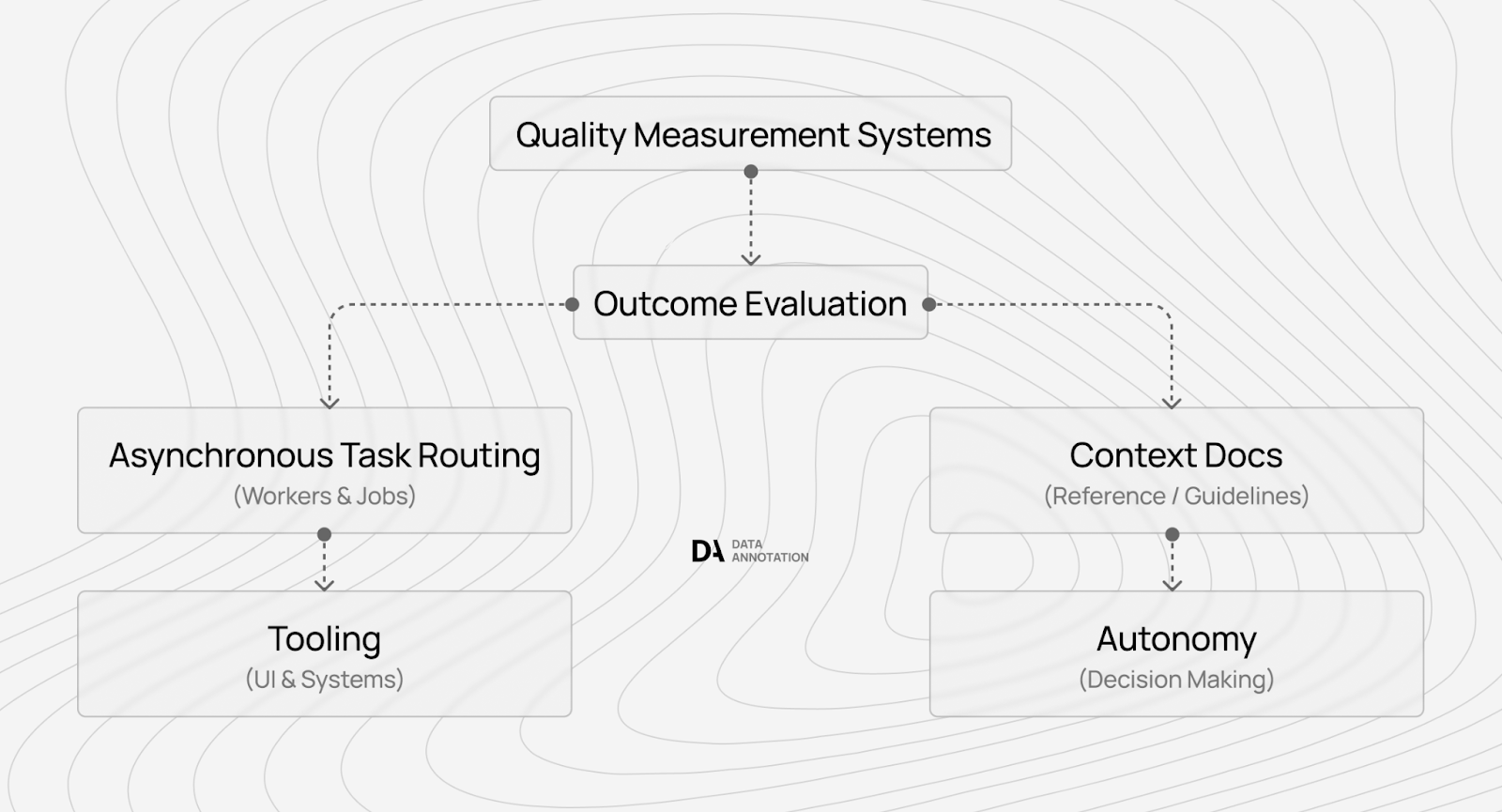
At DataAnnotation, AI training involves technical judgment, not task completion:
- You evaluate code generated by AI systems for correctness, efficiency, and edge case handling
- You rank chatbot responses based on technical accuracy and adherence to instructions
- You review solutions to complex problems and identify where reasoning breaks down
- You label technical content with domain expertise so models learn to distinguish quality
This pays more than freelance platforms because your tier is determined by assessment, not bidding against the cheapest competitor.
Our assessment tests actual capability through a 1-2 hour qualification that measures critical thinking, attention to detail, and domain knowledge. No whiteboard algorithms. No credential requirements. Performance determines which project tiers you access.
Explore flexible AI training projects at DataAnnotation
So, which future do you choose?
Racing to the bottom on freelance platforms, competing on price instead of craft? Or contributing to AI systems that could one day cure cancer, unlock the secrets of the universe, and send rockets to the stars?
If assessment-based work resonates more than freelance bidding or app building and you have the expertise, here’s how to get started:
- Visit the DataAnnotation application page and click “Apply”
- Fill out the brief form with your background and availability
- Complete the Starter Assessment (about an hour)
- Check your inbox for the approval decision, which typically arrives in the next few days
- Log in to your dashboard, choose your first project, and start working
No signup fees. We stay selective to maintain quality standards. Just remember: you can only take the Starter Assessment once, so prepare thoroughly before starting.
Apply to DataAnnotation if you understand why quality beats volume in advancing frontier AI — and you have the expertise to contribute.
.jpeg)