
Software engineers face a frustrating constraint: needing additional income while maintaining full-time employment without burning out. If you've architected solutions serving thousands but now need to supplement your salary, you're not alone.
We spent some time testing the seven most common paths: freelancing on Upwork and Toptal, launching apps and micro-SaaS products, creating courses and YouTube content, hunting bug bounties, and evaluating AI training platforms.
We interviewed some engineers about their experiences, tracked actual time investments and earnings, and analyzed why some approaches work while most don't.
This analysis examines what breaks in each model, which options reward genuine technical depth, and what separates sustainable income from wasted weekends. The goal: help you evaluate options based on operational reality rather than marketing promises.
1. AI training work
AI training means teaching AI systems to think, reason, and create by evaluating their outputs and providing the judgment signals that guide model improvement.
When companies build AI systems like ChatGPT, Claude, or Gemini, they need humans to assess whether generated code handles edge cases correctly and whether responses demonstrate genuine understanding versus surface-level pattern matching.
We start here because this converts coding expertise into professional rates without the freelance hustle.
What AI training involves
At DataAnnotation, AI training work shapes model capabilities — it's not data entry or simple classification. It requires technical judgment that automation can't replicate and expertise that credentials alone don't guarantee.
You're evaluating whether AI-generated code handles edge cases correctly, ranking chatbot responses based on technical accuracy and instruction-following, and identifying subtle logical flaws in reasoning chains.
This requires the same judgment you apply to debugging production code: spotting what's missing in superficially correct answers, understanding why one solution is elegant while another creates technical debt, and evaluating trade-offs that automated checks can't detect.
Our operational reality managing 100K+ AI trainers
After five years of operating this platform, here's what measuring quality at scale taught us:
Credentials don't predict performance: We've seen MIT computer science graduates produce mediocre code evaluations because their training emphasized theory over craft. We’ve also seen self-taught developers who've debugged thousands of production issues spot errors that credential-holders miss.
Expertise compounds as models improve: Early labeling work got commoditized as tasks simplified. But as frontier models tackle more complex problems, evaluation complexity increases. For example, teaching GPT-5 requires better judgment than teaching GPT-3, not just more of the same work.
AI training pros:
- Zero client acquisition overhead: Pass the Starter Assessment, choose projects from the dashboard, and work when your calendar opens. No proposals to write, no hourly-rate negotiations with clients who always want cheaper.
- Premium pay for demonstrated capability: Your tier reflects what you can do, not what your resume says.
- Work fits your peak focus hours: Projects run 24/7 across time zones. Log in during early mornings before stand-ups, late nights after meetings, focused weekend blocks — whenever your brain works best.
- Meaningful contribution to AGI development: You're teaching models that power frontier models. Your evaluations directly improve capabilities used by millions.
AI training cons:
- Projects involve intensive evaluation tasks: This isn't clicking through simple classifications. When you're assessing whether an AI's physics explanation contains subtle conceptual errors, you need sustained focus. The work requires genuine expertise, not just willingness.
- Assessment qualification required: You must pass a performance-based evaluation that tests critical thinking and domain knowledge. No credentials guarantee acceptance — capability does.
- Project availability varies seasonally: Work volume fluctuates based on training cycles and model releases. Plan for variable earnings rather than guaranteed weekly hours.
Best for: Engineers who value craft over credentials, want flexibility without freelance client management, understand quality measurement enables autonomy, and care about contributing to AGI development rather than maximizing hourly volume through simple tasks.
2. Freelance and contract coding projects
We tested Upwork, Toptal, and Fiverr to understand why engineers default to freelancing despite the overhead.
Here is what we found testing these platforms.
Upwork
After creating a personal profile highlighting distributed systems experience, we bid on 20 projects over 3 weeks.
The response rate was 15%. Of those three responses, two wanted "quick quotes" before seeing proposals (a red flag for price-shopping), and one led to a $35/hour gig that required four revision rounds because the specifications kept changing.
Time spent writing proposals, responding to messages, and handling revisions was approximately 8 hours for work that paid $280. Effective rate after Upwork's fee: $28/hour. The proposal overhead killed the premium we thought specialized expertise would command.
Toptal
On Toptal, the screening process took two weeks, including a technical interview and a test project.

Once accepted, hourly rates reached $60 or more for specialized work. But client acquisition still required proposals, and Toptal's curated matching meant fewer available projects than mass-market platforms.
Fiverr
On Fiverr, package-based pricing (fixed deliverables rather than hourly rates) created perverse incentives.
Clients optimized for the cheapest packages, leading to scope creep as they requested "small additions" after purchase. Managing expectations took more energy than actual coding.
Freelancing pros:
- Control pricing and project selection: Accept only work that interests you at rates you set (in theory, though market competition constraints apply).
- Portfolio growth demonstrates breadth: Diverse client work proves you can adapt across different tech stacks and business contexts.
- Complete project autonomy: Choose your tech stack, architecture approaches, and implementation methods without corporate constraints.
Freelancing cons:
- Proposal writing consumes work hours: Time spent bidding, responding to messages, and clarifying requirements is uncompensated labor that collapses effective rates.
- Platform fees reduce earnings: Upwork, Fiverr, and competitors take significant cuts.
- Global competition pressures rates downward: Engineers in lower-cost regions undercut pricing, making specialized expertise less valuable than the lowest bid.
- Client management adds hidden overhead: Scope creep, unclear requirements, and revision requests extend projects beyond initial time estimates.
Best for: Engineers with existing client networks who can operate through recurring contracts, and specialists in rare technical niches where competition is limited.
3. Building and selling mobile apps
We interviewed a few engineers who launched apps while maintaining full-time jobs. Only a limited proportion generated meaningful recurring revenue. Here's what broke for most of them.
The app store reality nobody mentions
Distribution is more complex than development: The App Store has over 1.9 million apps. Google Play has 1.8+ million. Your brilliant productivity tool competes with thousands of similar solutions, many from well-funded startups with marketing budgets.
One engineer we spoke with built a focused timer app specifically for engineers who hate Pomodoro. Development took 40 hours. Marketing to achieve visibility: 200+ hours across six months. Downloads: 347. Paid conversions: 12 at $2.99 each. Total revenue: $35.88. Effective hourly rate: $0.15.
Maintenance never stops: iOS releases can break your UI. Android fragmentation can create device-specific bugs. Users expect immediate updates when issues appear. That "passive income" requires 5-10 hours monthly just to maintain compatibility before adding any features.
Platform fees are significant: Apple takes 30% for first-year subscriptions, dropping to 15% after year one. Google matches this. Your $4.99/month app nets you $3.49 initially, assuming zero churn.
What generates app revenue
Solving specific B2B pain points. Consumer apps face brutal competition. But tools that save businesses measurable time or money can sustain a monthly pricing. Example: expense tracking specifically for construction contractors, not generic budgeting for everyone.
Riding platform-specific opportunities. When Apple launched widgets, early movers captured the bulk of downloads. When Android introduced notification channels, apps that used them were promoted. Timing matters more than quality for initial traction.
Building audience first, then the app: The most successful independent developers we studied had existing audiences (blogs, YouTube channels, Twitter followings) before launching. They weren't selling to strangers — they were solving problems for people who already trusted them.
App building pros:
- Potential for recurring income: Subscriptions generate revenue automatically once you achieve scale and manage churn effectively.
- Complete product control: Own roadmap, pricing, features, and user experience without client interference or corporate politics.
- Portfolio enhancement: Published apps demonstrate end-to-end execution, a valuable skill for career advancement.
- Direct user feedback loop: Real-time reviews and usage data improve your product sense and user empathy.
- No client management overhead: Build your vision instead of managing changing specifications and revision requests.
App building cons:
- Marketing budget or skills essential: Visibility requires significant investment in paid acquisition, ASO, or content marketing to stand out among millions.
- Ongoing maintenance required: Platform updates, device compatibility, and bug fixes demand some hours monthly before adding features.
- Fierce competition: Millions of apps compete for attention, many from well-funded teams with professional marketing and development resources.
- Platform fees consume 30% initially: Apple and Google take significant cuts, reducing $4.99 subscription revenue to $3.49 before considering payment processing.
- Multiple launches often required: Success rarely comes from the first app, necessitating sustained effort across several attempts before finding product-market fit.
Best for: Engineers with existing audiences or distribution channels, specialists solving specific B2B workflow problems where measurable ROI justifies premium pricing, and developers comfortable with sustained marketing effort alongside coding.
4. Technical blogging and affiliate content
After managing data operations at scale, we understand content economics better than most engineers. Here's what breaks.
Why most technical blogs fail financially
SEO timelines work against engineers: Quality technical content takes some months to rank meaningfully. One engineer we tracked published 40 detailed posts over 18 months. Traffic after year one: 2,000 monthly visitors. Affiliate revenue: $87 total.
Google prioritizes established authority. Your brilliant explanation of database indexing competes with Stack Overflow, Medium, and corporate developer relations blogs with established backlink profiles. Breaking through requires a lot of consistency.
Affiliate conversion rates are low: Typical technical content converts 0.5 to 1% of readers to affiliate clicks. Of those clicks, 1-5% complete purchases. For 1,000 monthly visitors with 1% click rate and 3% conversion: 0.3 purchases. At $50 commission per sale: $15/month for content requiring 20+ hours to research, write, and optimize.
Algorithm changes can erase traffic overnight: Google's core updates periodically reshuffle rankings. Multiple platforms reported 60-80% traffic drops from single algorithm changes. That "passive income" disappears when your posts drop from page one to page three.
What builds sustainable blog revenue
Solving problems you personally faced: Write the post you wish existed when you encountered that specific error message. Authenticity beats comprehensiveness. For example, "How I debugged production memory leak in 4 hours" outperforms "Complete Guide to Memory Management."
Building email lists, not just traffic: Blog posts attract one-time visitors. Email subscribers compound. When you publish new content or launch products, your list provides distribution independent of Google's whims.
Strategic affiliate selection: Link to tools you actually use and can authentically recommend. A comprehensive guide to database optimization with affiliate links to monitoring tools you personally evaluated performs better than generic tool roundups.
Technical blogging pros:
- Evergreen content compounds: Well-researched technical posts generate traffic for years after publication without additional work.
- Career opportunities emerge: Hiring managers and consulting clients discover you through content, creating opportunities beyond affiliate revenue.
- Improves communication skills: Regular writing sharpens the ability to explain complex concepts clearly, a valuable skill for senior engineering roles.
- Conference speaking pipeline: Quality blog posts become talk proposals, expanding professional network and visibility.
- Multiple revenue streams: A single post can generate affiliate commissions, speaking invitations, consulting leads, and course student acquisition simultaneously.
Technical blogging cons:
- 6-12 month SEO delay: Meaningful traffic requires sustained consistency over months before search engines establish trust and rankings.
- Algorithm changes tank traffic: Google core updates can erase traffic overnight, destroying months of ranking progress.
- Regular publishing schedule required: Growth demands consistent output, typically 2-4 posts monthly, challenging alongside full-time engineering work.
- Competition from established publications: Corporate dev rel blogs, Stack Overflow, and Medium have established authority and distribution advantages.
- Initial months generate minimal revenue: The first 6-12 months typically earn under $100 per month despite significant time investment in content creation.
Best for: Engineers who naturally document solutions to problems they've personally solved, developers comfortable with long-term investment before seeing returns, writers who treat blogging as portfolio building and professional brand development rather than immediate income.
5. Teaching via online courses and workshops
We interviewed 18 engineers who launched courses. Five earned $1,000+ monthly. Two exceeded $5,000. Eleven gave up after minimal sales.
The course marketplace saturation problem
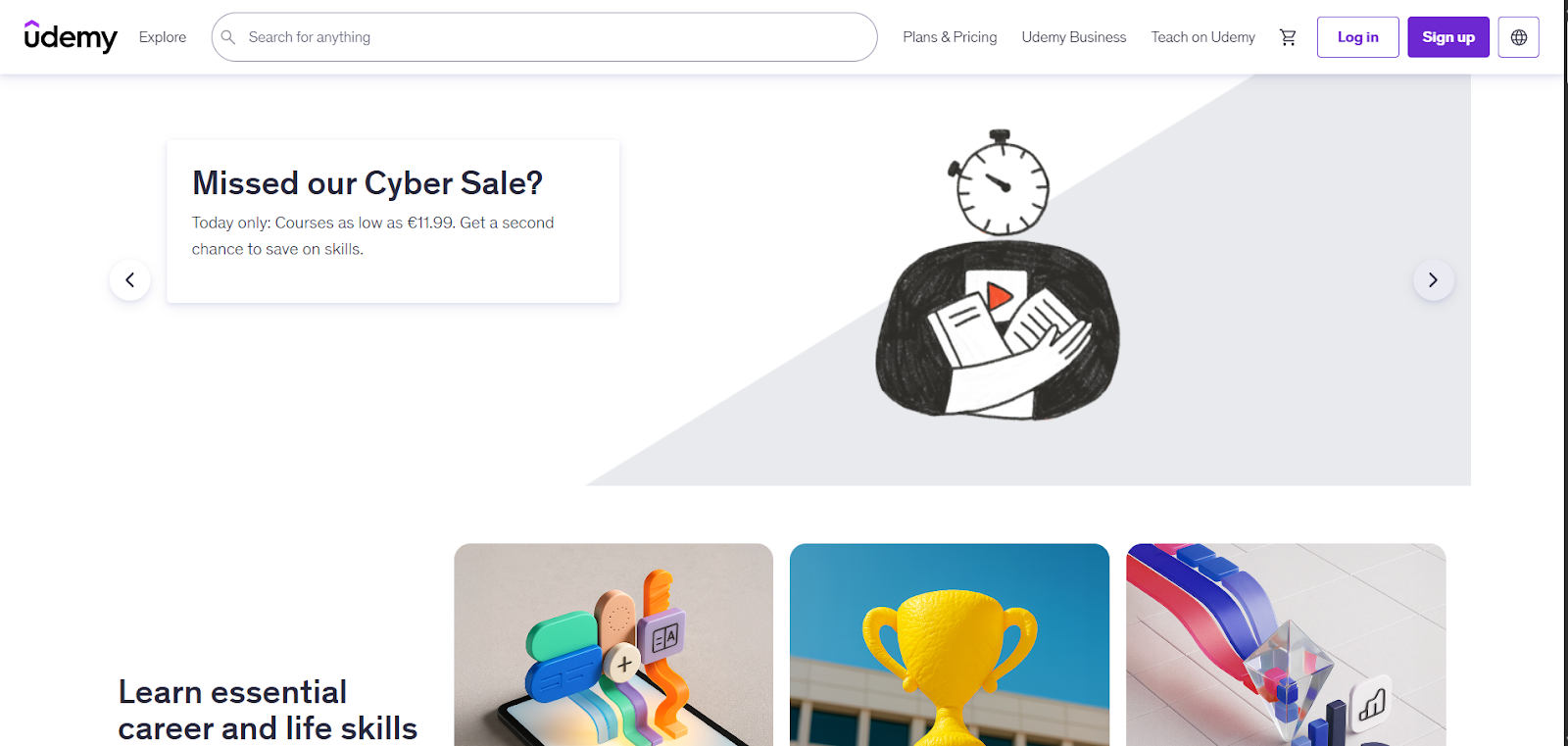
Udemy can be a race to the bottom: The platform frequently runs site-wide sales, pricing all courses at $9.99, regardless of value. Your 40-hour comprehensive course on system design can sell for the same price as 2-hour beginner tutorials.
Course creation is a brutal time investment: Recording, editing, platform upload, and curriculum planning take longer than engineers expect. For 10 hours of finished course content, budget 40-50 hours total work.
Most engineers underestimate editing demands. Your code explanations make sense to you, but students need repeated clarification, visual examples, and careful pacing. Professional production quality separates successful courses from ignored ones.
Marketing is the actual job: Course platforms provide distribution, but discovery is limited. You're competing with thousands of other courses. Without a marketing strategy (an email list, a social media presence, and community engagement), even excellent courses get buried.
What makes course revenue work
Solving concrete, specific problems: For example, "Learn Backend Development" is too broad. "Build a REST API in 30 minutes using Express and PostgreSQL" targets a specific skill gap with a clear outcome.
Live cohort model: Pre-recorded courses face commoditization and platform discounting. Live cohorts command premium pricing for the duplicate content because they include direct interaction, accountability, and community.
Leveraging existing audience: Most successful course creators had established a presence (blog, YouTube, newsletter) before launching. They weren't selling to strangers—they were serving an existing audience that already trusted their expertise.
Online course pros:
- Scalable royalties from evergreen content: Once created, courses generate revenue from each new enrollment without additional teaching time investment.
- Strengthens professional reputation: Published courses establish expertise, creating opportunities for consulting, speaking, and career advancement.
- Reinforces your technical understanding: Teaching concepts profoundly strengthens your mastery through articulation and student questions.
- Premium live cohort upside: Pre-recorded content can be packaged into interactive cohorts priced at higher tiers with direct interaction.
- Deep satisfaction from helping: Many instructors report genuine fulfillment from student success stories and career progress enabled by courses.
Online course cons:
- 40-60 hours of production for 10 hours of content: Recording, editing, curriculum design, and platform setup consume far more time than engineers expect.
- Platform fees on promotional sales: Udemy and competitors take revenue share, particularly during frequent site-wide discount promotions.
- Course maintenance as technology evolves: Annual updates required as frameworks change, deprecated APIs break examples, and best practices shift.
- Market saturation in popular topics: JavaScript, Python, React, and others have hundreds of competing courses, creating visibility challenges.
- Marketing effort required: Discovery demands social media presence, email list building, and consistent promotion beyond just course creation.
Best for: Engineers with existing audiences (blog, YouTube, newsletter) who can leverage distribution advantages, and developers solving specific technical problems they've mastered through real-world experience.
6. Mentorship and career coaching
The coaching market has interesting unit economics. Here's what we learned talking to some engineering coaches.
The mentorship time-for-money trap
Direct time commitment limits scaling: At $150/hour for 1-on-1 coaching, working 10 hours weekly generates $6,000 monthly. Sounds good until you realize this caps at your available hours. Unlike products that scale, mentorship is constrained by your calendar.
Scheduling friction with a full-time job. Most mentees work 9-5 in their timezone. If you're West Coast and they're East Coast, coordination becomes difficult. International clients multiply scheduling complexity.
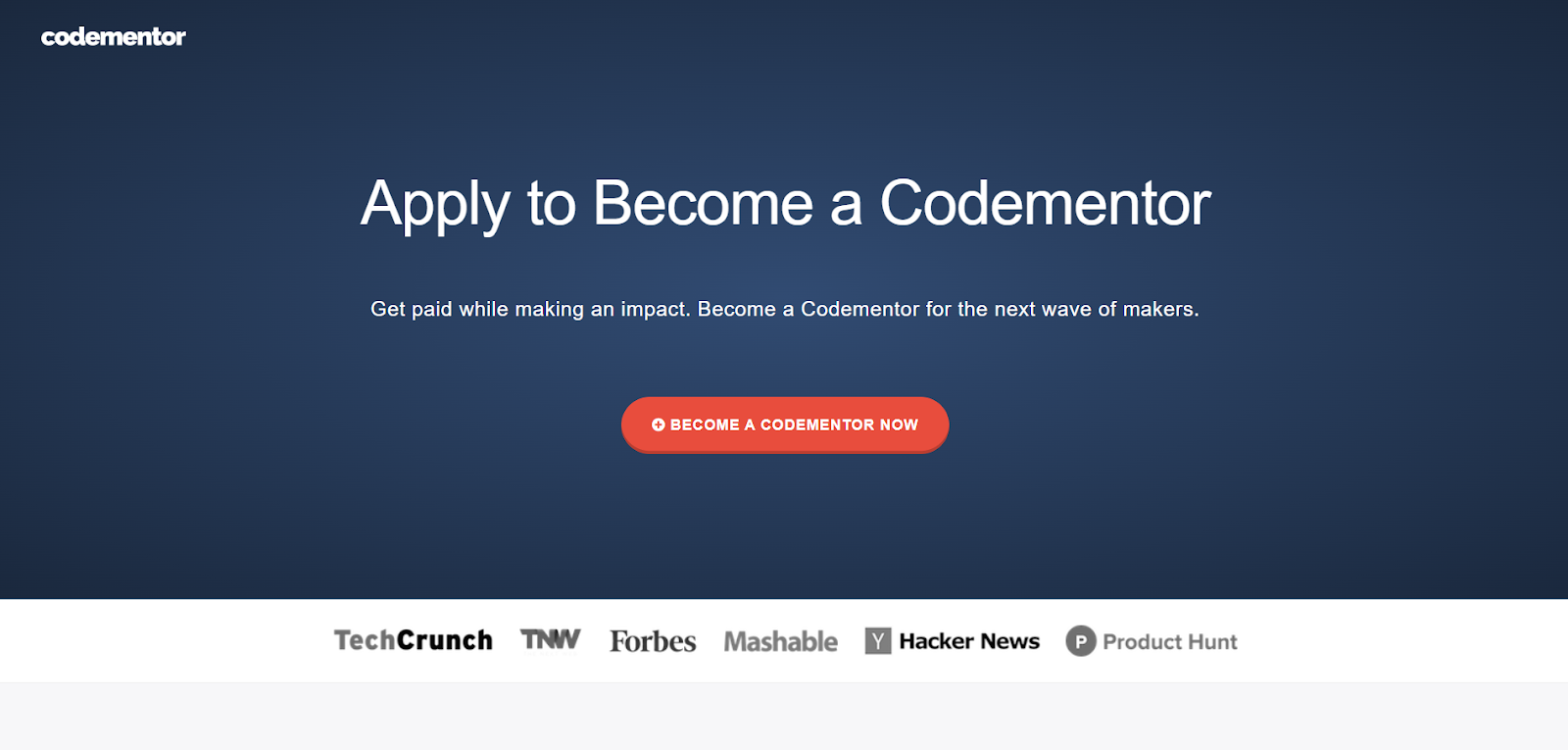
Platform fees reduce margins: Codementor charges a pay percentage that varies by tier.
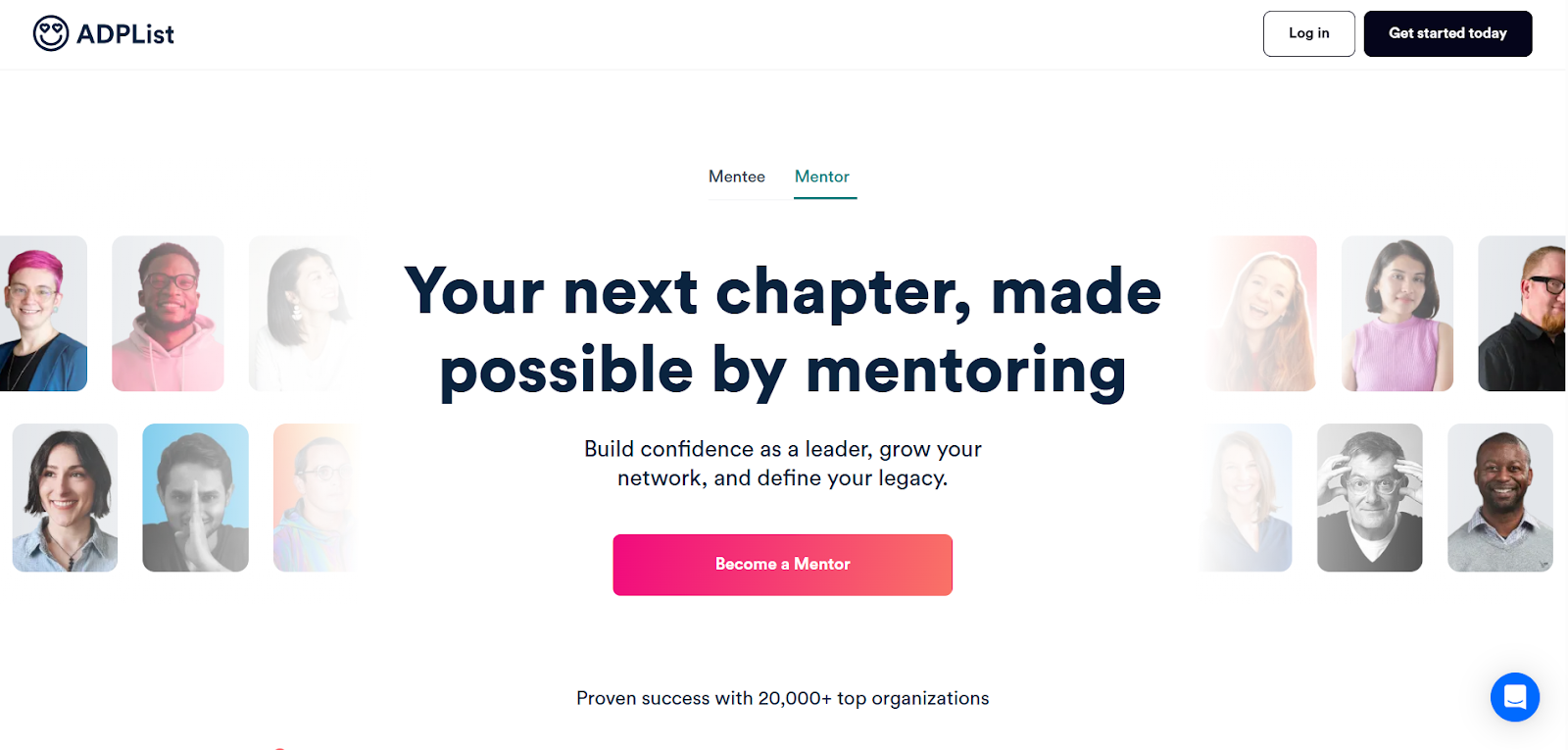
ADPList is free but offers no payment infrastructure, requiring external tools. Direct client relationships avoid fees but require you to find clients yourself.
What makes coaching financially viable
Interview prep commands premium rates: Engineers pay higher for FAANG interview coaching because landing a 6-figure offer makes ROI obvious. Behavioral interview prep, system design coaching, and negotiation strategy have clear value propositions.
Building reputation through consistent results: Successful coaches document outcomes (with permission). For example, "Helped 12 engineers get promoted to senior level in 6 months." Testimonials and LinkedIn recommendations become a marketing engine.
Leveraging coaching for the consulting pipeline. Many coaches view sessions strategically as a lead-generation tool for higher-value consulting engagements. Individual coaching builds relationships that convert to higher contract work.
Mentorship/coaching pros:
- Minimal setup to start earning: Create a profile on the coaching platform, set rates, and go live within days without building products or content.
- Sessions fit around existing schedule: Schedule calls during evenings or weekends when convenient, maintaining full-time employment.
- Expands professional network: Each coaching relationship creates a connection that can generate referrals, opportunities, and industry insights.
- Sharpens communication and leadership: Regular explanation of complex concepts improves the ability to mentor junior engineers in the day job.
- Genuine satisfaction from helping: Many coaches report deep fulfillment from enabling others' career success and breakthrough moments.
Mentorship/coaching cons:
- Direct time commitment limits scaling: Revenue caps at available hours, preventing passive income or growth beyond calendar constraints.
- Timezone coordination creates friction: International clients and different work schedules complicate scheduling, particularly with full-time jobs.
- Income stops when sessions stop: Unlike products, courses, or content, coaching generates zero revenue during vacations or sick days.
- Requires strong interpersonal skills: Technical expertise alone is insufficient without the ability to communicate clearly and build rapport quickly.
Best for: Engineers who naturally explain complex concepts clearly and enjoy teaching, and specialists in high-value domains like FAANG interview prep or system design, where pricing power exists.
7. Open-source sponsorship and donations
We tracked 30 maintainers of popular open-source projects. Only a few earned $ 1,000 or more per month. Here's why.
The open-source monetization reality
The free rider problem dominates: Companies with 100+ engineers will depend on your library without contributing. Why pay when they get benefits regardless? Most commercial users never sponsor, even when your code saves them months of development time.
Sponsorship fatigue is real: Most developers support 0-2 projects monthly. Your utility library competes with thousands of others for attention. Even developers who understand the importance of sponsoring rarely contribute to more than their most-used projects.
Maintenance obligations increase with adoption: More users = more issues, PRs, and support requests. That "passive income" requires responding to bug reports, reviewing contributions, and maintaining compatibility as dependencies evolve.
What makes sponsorship work
Developer tools and infrastructure: Libraries that directly improve developer workflow (testing frameworks, build tools, VS Code extensions) get more sponsorship than utility libraries. People pay for tools they use daily.
Strong community presence: Successful maintainers engage in conferences, podcasts, and Twitter. Visibility matters more than code quality when it comes to sponsorship. Your work needs to be seen, not just used.
Corporate sponsorship programs: Focus acquisition on companies, not individuals. One $500/month corporate sponsor equals 50 individual $10 supporters. Target engineering managers with budget authority rather than individual developers.
Open-source pros:
- Aligns coding passion with income potential: Get paid for the work you already enjoy, turning hobby contributions into a sustainable effort.
- Builds community goodwill and professional network: Open-source work creates relationships with developers globally, expanding opportunities.
- Enhances visibility in developer communities: Successful projects establish expertise and credibility more effectively than credentials alone.
- Code quality improves through public scrutiny: Open collaboration surfaces bugs, architectural issues, and edge cases that closed-source development misses.
- Opens doors to employment and consulting: Maintainers frequently receive job offers and consulting engagements from companies using their projects.
Open-source cons:
- Variable and unpredictable income flow: Sponsorship changes monthly as individuals cancel or companies adjust budgets without warning.
- Ongoing maintenance and support obligations: User growth increases issue volume, pull request reviews, and the need for compatibility maintenance.
- May take years to build sufficient adoption: Meaningful sponsorship requires a critical mass of users, typically taking 2-3+ years of sustained development.
- Competing priorities with paid work: Balancing open-source maintenance with full-time employment and other income sources creates time pressure.
- Difficulty marketing open-source contributions: Unlike products, libraries require developer relations skills to gain visibility beyond technical excellence.
Best for: Engineers already contributing to open source who want recognition for their existing effort, and developers with conference speaking experience and community presence for visibility-building.
How AI training at DataAnnotation provides extra income for expert software engineers
AI training (evaluating and improving AI model outputs) fits the limited-time constraint because assessment handles matching, quality measurement drives advancement, and projects fit focused blocks.
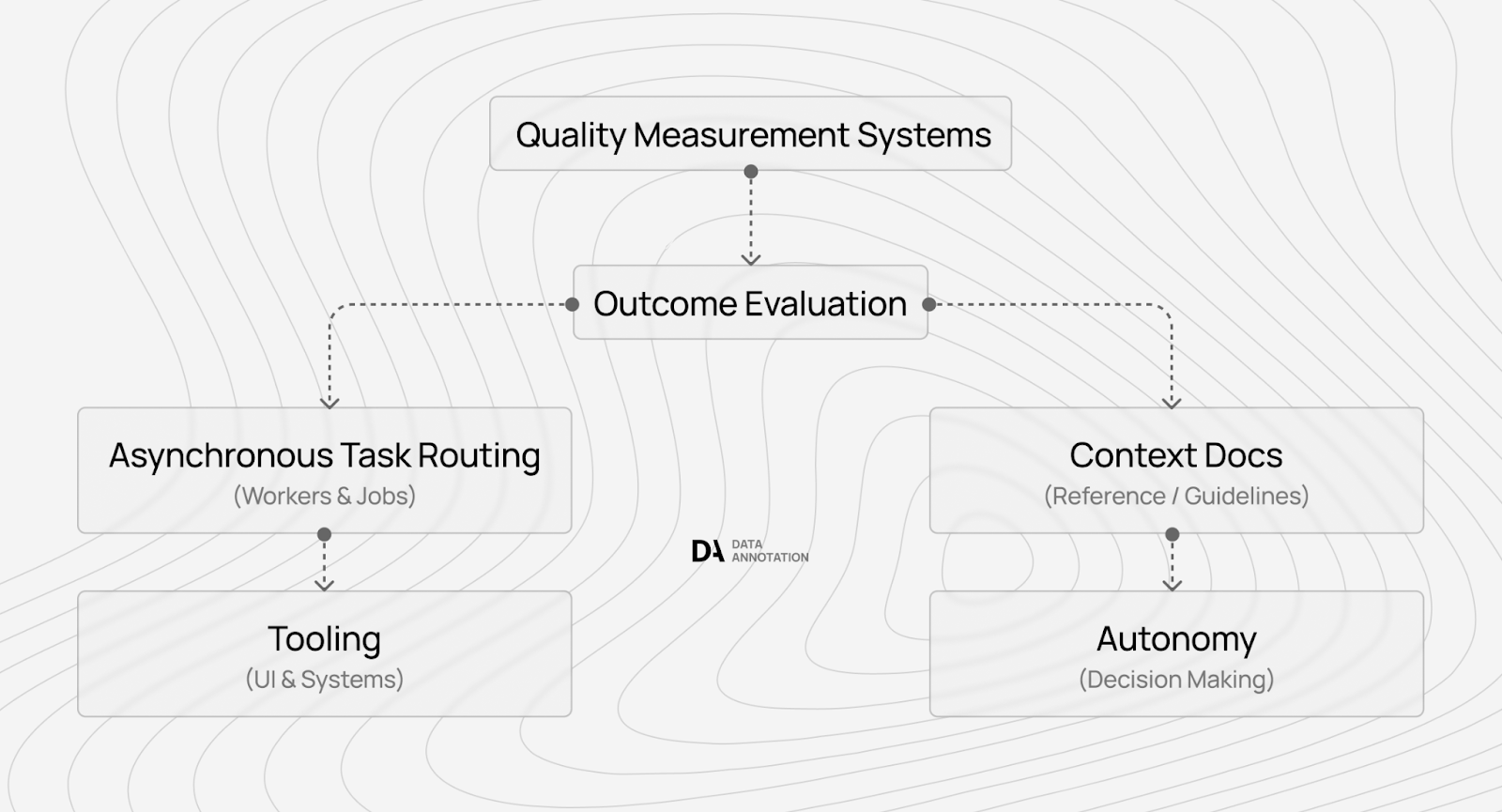
At DataAnnotation, AI training involves technical judgment, not task completion:
- You evaluate code generated by AI systems for correctness, efficiency, and edge case handling
- You rank chatbot responses based on technical accuracy and adherence to instructions
- You review solutions to complex problems and identify where reasoning breaks down
- You label technical content with domain expertise so models learn to distinguish quality
This pays more than freelance platforms because your tier is determined by assessment, not bidding against the cheapest competitor.
Our assessment tests actual capability through a 1-2 hour qualification that measures critical thinking, attention to detail, and domain knowledge. No whiteboard algorithms. No credential requirements. Performance determines which project tiers you access.
How to get started with AI training at DataAnnotation
If assessment-based work resonates more than freelance bidding or app building and you have the expertise, here’s how to get started:
- Visit the DataAnnotation application page and click “Apply”
- Fill out the brief form with your background and availability
- Complete the Starter Assessment (about an hour)
- Check your inbox for the approval decision, which typically arrives in the next few days
- Log in to your dashboard, choose your first project, and start working
No signup fees. We stay selective to maintain quality standards. Just remember: you can only take the Starter Assessment once, so prepare thoroughly before starting.
Apply to DataAnnotation if you understand why quality beats volume in advancing frontier AI — and you have the expertise to contribute.
.jpeg)