
You’ve shipped production code, debugged systems at midnight, and proven that you can build software that actually works. But every time you scan job boards, the same software developer roles stare back at you — roles demanding “5+ years experience” for entry-level positions or full-time commitments that don’t fit your life right now.
The industry keeps telling you to squeeze into boxes that weren’t built for your situation. Maybe you’re between jobs and need income while you search. Or perhaps you’re just tired of the endless interview loops that go nowhere.
Your coding skills open the door to a range of career paths that don’t require full-time availability.
Let’s explore several different career paths that value your coding foundation and can turn your existing skills into a solid source of income.
1. AI training
Frontier AI models like Claude, Gemini and ChatGPT don't learn solely from algorithms. They learn from experts who can tell the difference between code that runs and code that's correct. Every capability improvement in AI systems traces back to people with genuine technical judgment evaluating outputs, catching subtle errors, and demonstrating what good actually looks like.
This is AI training work.
We start here because when companies build frontier AI systems, they need humans to assess whether generated code actually works. Whether reasoning chains hold under scrutiny. Whether "correct" answers are actually correct.
At DataAnnotation, AI training involves evaluating whether AI-generated code handles edge cases correctly, ranking chatbot responses based on technical accuracy and instruction-following, and identifying subtle logical flaws in reasoning chains.

This requires the same judgment you apply to debugging production code: spotting what's missing in superficially correct answers, understanding why one solution is elegant while another creates technical debt, and evaluating trade-offs that automated checks can't detect.
AI training pros:
- Complete schedule flexibility. High project availability with no fixed hour requirements or daily login expectations. Projects run 24/7 across time zones.
- Meaningful contribution to AGI development: You're teaching models that power frontier models. Your evaluations directly improve capabilities used by millions.
- Zero client management overhead. Skip proposal writing, bidding wars, and scope negotiations entirely. Pass the Starter Assessment, choose projects, and work.
- Transparent payments. General projects start at $20/hour. Coding and STEM projects start at $40/hour. Professional domain work in law, finance, or medicine begins at $50/hour. Consistent weekly payments with dashboard tracking.
AI training cons:
- Initial qualification hurdle. Starter Assessment requires focus and attention to detail. No credentials guarantee acceptance. Capability does.
- Learning curve for specialized tiers. Higher-paying STEM and Coding projects demand domain expertise and real-world experience.
Best for: Coders with strong critical analytical skills who want to transition careers or supplement current income with flexible project work.
The work here at DataAnnotation fits your life rather than controlling it.
Is the work hard? Yes. Does it require deep thinking? Absolutely.
2. Developer advocacy
Products fail when developers never adopt them, no matter how good the code. A developer advocate bridges that gap between brilliant engineering and real-world usage. You’ll combine your programming skills with community building to turn complex APIs and SDKs into approachable stories that drive adoption.
You’ll still write code (sample apps, demos, tutorials), but you’ll also answer forum questions, speak at meetups, and create clear documentation. Success requires strong communication, content creation, and public speaking skills, alongside solid technical knowledge in at least one language or framework.
The average salary for developer advocates is around $42 per hour.
Here is a practical roadmap to transition into becoming a developer advocate:
- Start where developers already gather by contributing README improvements to open-source projects or submitting lightning talks to local tech meetups
- Showcase you can translate code into value
- Build a public trail of blog posts, conference talks, and GitHub examples, which hiring managers check first.
Expect variety and travel. For instance, one week you might be debugging sample code, and the next you’re explaining OAuth flows onstage. This pace energizes extroverted engineers but exhausts those who prefer quiet coding sessions.
Developer advocacy pros:
- Travel opportunities: Attend conferences, meetups, and events worldwide, often with company-sponsored travel budgets
- Variety of work: Balance technical content creation, community engagement, coding, and public speaking, rather than pure development
- Build personal brand: Establish yourself as a thought leader through speaking, writing, and community contributions
Developer advocacy cons:
- Frequent travel exhaustion: Constant conferences and events can lead to burnout and time away from family
- Vague success metrics: Measuring impact through community engagement feels less concrete than shipping features
- Public-facing pressure: Constant visibility and need to maintain professional presence across social platforms
Best for: Extroverted developers who enjoy teaching and community building as much as coding. Ideal for those who thrive on variety, don’t mind frequent travel, and want to build a personal brand while bridging the gap between technical products and developer adoption.
3. Technical product management
Your feature gets scrapped because marketing “didn’t get it.” This happens when code ships without a clear business story. As a technical product manager, you translate engineering complexities into business value, own the roadmap, and measure success against hard KPIs instead of gut feelings.
You’ll lean on skills you already have (systems thinking, debugging, SQL), then add agile ceremonies, stakeholder negotiation, and concise storytelling. Scrum knowledge keeps sprints realistic, while data-driven dashboards turn customer pain points into backlog items that leadership will fund.
Technical product managers typically earn between $25 and $45 per hour. Entry comes through a Certified Scrum Product Owner badge, which signals you speak agile fluently.
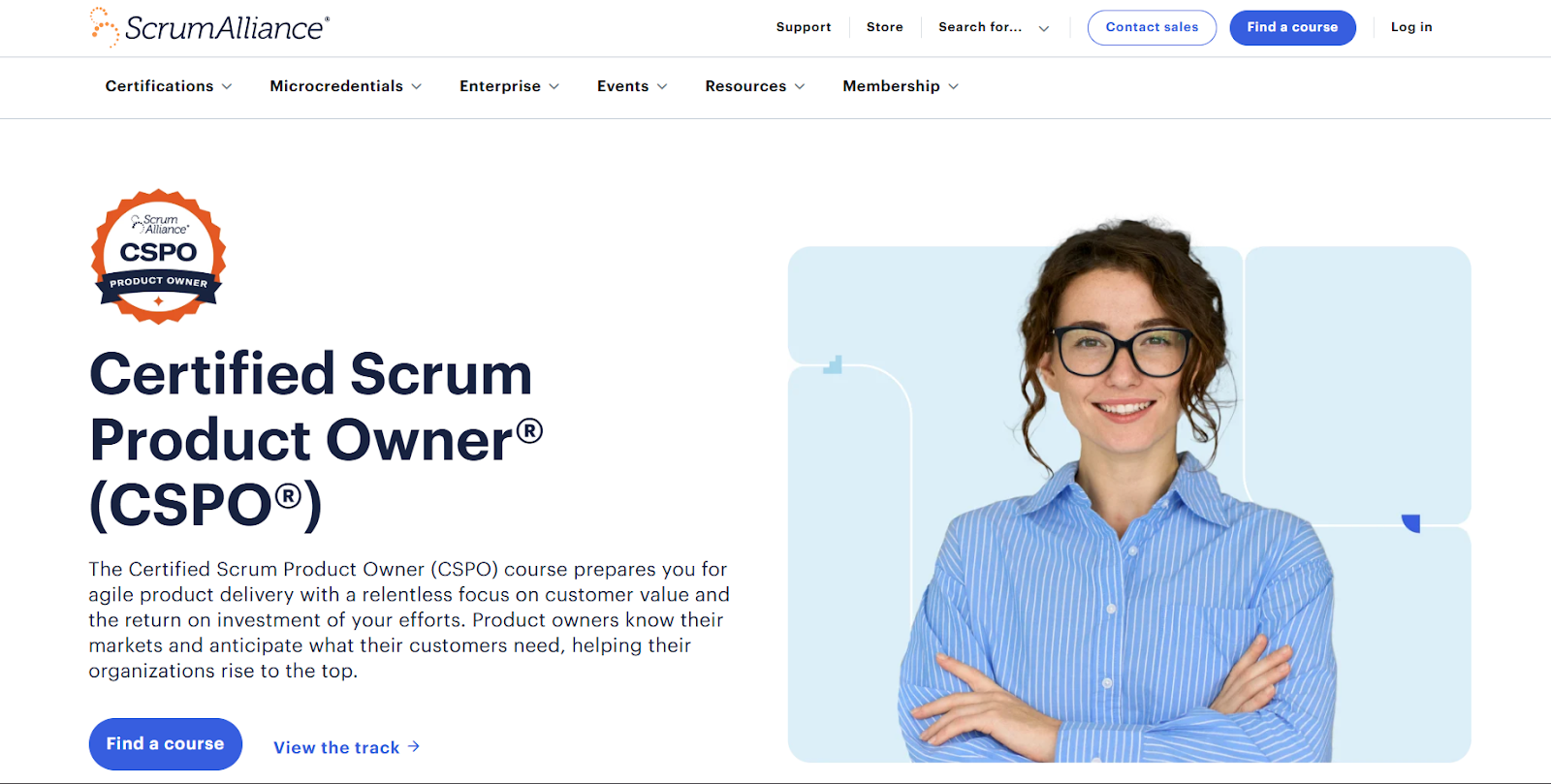
You can also shadow a seasoned product manager at your current company, or volunteer to run a minor feature from concept to release.
Technical product management pros:
- Higher earning potential: Salaries often match or exceed those of engineers.
- Strategic role: You get to shape product direction and business outcomes rather than focusing solely on implementation details.
- Broad influence: Work cross-functionally with engineering, design, sales, and marketing teams to drive product success.
Technical product management cons:
- High pressure: You must balance competing stakeholder priorities while meeting aggressive deadlines and revenue targets.
- Less hands-on coding: Focus shifts from writing code to strategy, meetings, and stakeholder management.
- Navigating politics: Success requires strong interpersonal skills to manage conflicting opinions across departments.
Best for: Engineers who enjoy the big picture over code details and thrive on strategic thinking. Ideal for those comfortable with stakeholder management, data-driven decision making, and translating technical complexity into business outcomes while accepting less hands-on development work.
4. UX/UI design (with a coding edge)
Design-development hand-offs can slow releases and create bugs that users notice first. Picture this: You sketch a beautiful flow in Figma, hand it over to engineering, and watch your vision get lost in translation. Weeks later, the shipped product looks nothing like what you designed.
Hybrid UX/UI designers eliminate this friction. As a hybrid UX/UI designer, you map user journeys, wireframe screens, and validate ideas through research sessions. Then you shift into code: responsive HTML, modern CSS, and JavaScript to build interactive prototypes that developers can implement with minimal changes.
Essential skills include proficiency in Figma, user research methods, HTML/CSS fluency, JavaScript basics, responsive design principles, and component thinking.

You don’t need to be a full-stack engineer to bridge the gap.
UX/UI design pros:
- Remote flexibility: Design work translates well to remote settings with async collaboration tools and flexible schedules.
- Creative variety: Balance visual design, user research, prototyping, and coding rather than pure development work.
- Rising demand: Companies increasingly value designers who can code, creating premium opportunities.
UX/UI design cons:
- Double toolkit maintenance: You have to keep up with both design trends and frontend frameworks.
- Continuous learning: Design patterns and JavaScript frameworks evolve rapidly, which requires ongoing education.
- Initial skill gap: Building proficiency in both design and code takes longer than specializing in one.
Best for: Creative coders who enjoy visual problem-solving and don’t mind maintaining expertise in both design tools and frontend code. Ideal for those who want to own the complete user experience from initial concept through final implementation without hand-off friction.
5. Technical writing
Building the coolest tool means nothing if users don’t know what to do with it. Technical writers bridge this gap by turning dense specs and cryptic error messages into clear setup guides, API references, and tutorials anyone can follow.
Strong writing skills matter, but technical fluency seals the deal. To become a technical writer, you need enough programming knowledge to read source files, spot potential problems, and structure content logically.
Markdown and documentation platforms like Confluence or MadCap Flare keep delivery smooth, while information architecture skills help readers find answers fast.
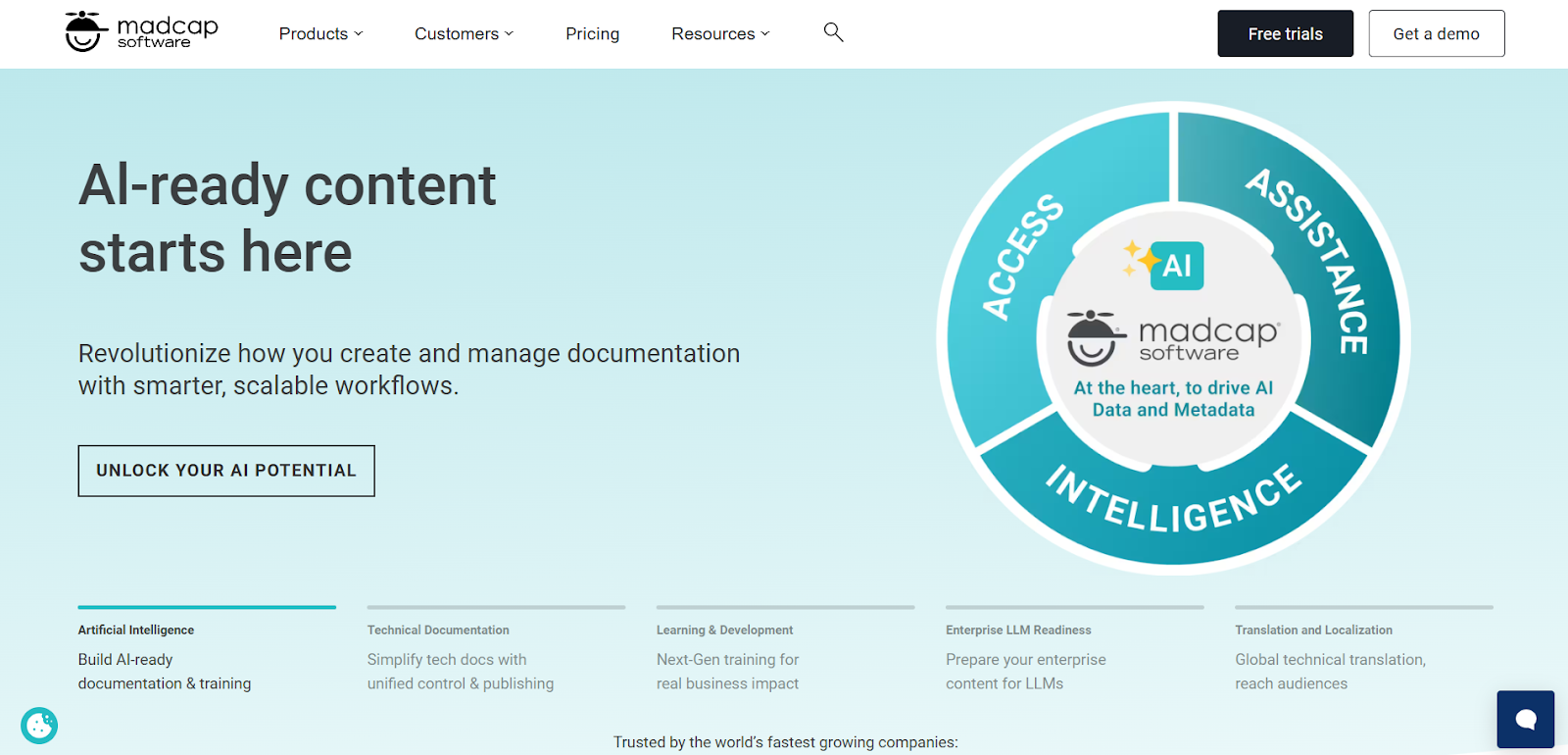
Modern technical writers pair strong prose with hands-on programming experience.
To begin your journey as a technical writer, start by writing walkthroughs for open-source projects or fixing neglected README files for known projects. Those contributions become portfolio pieces that hiring managers can easily see.
Technical writing pros:
- Excellent work-life balance: Predictable schedules with minimal on-call requirements or emergencies.
- Remote opportunities: Documentation work transitions seamlessly to remote settings with async collaboration.
- Steady demand: Every software product needs clear documentation, creating consistent employment opportunities.
Technical writing cons:
- Lower compensation: Salaries typically fall below those of senior engineering roles despite requiring technical knowledge.
- Limited advancement: Career progression often plateaus, with little opportunity to move into management or product roles.
- Less technical challenge: Focus on communication and clarity rather than solving complex technical problems.
Best for: Coders who enjoy untangling complexity and guiding others through technical concepts. Ideal for those prioritizing work-life balance and clear communication over cutting-edge development challenges, with enough technical knowledge to understand but a passion for helping users succeed.
6. Sales engineering
You’ve probably watched a brilliant product demo implode the moment a prospect asks, “Will this integrate with our existing stack?” That gap between glossy pitch and gritty implementation is where a sales engineer shines.
In this hybrid role, you pair programming fluency with consultative storytelling to demonstrate a solution’s technical fit on the spot — something traditional sales reps rarely achieve.
As a sales engineer, you’ll spend your days building tailored demos, writing quick scripts for custom integrations, and fielding deep-dive questions that start with “what happens under the hood?” This bridge work rewards people who can translate code into business value while keeping conversations human-friendly.
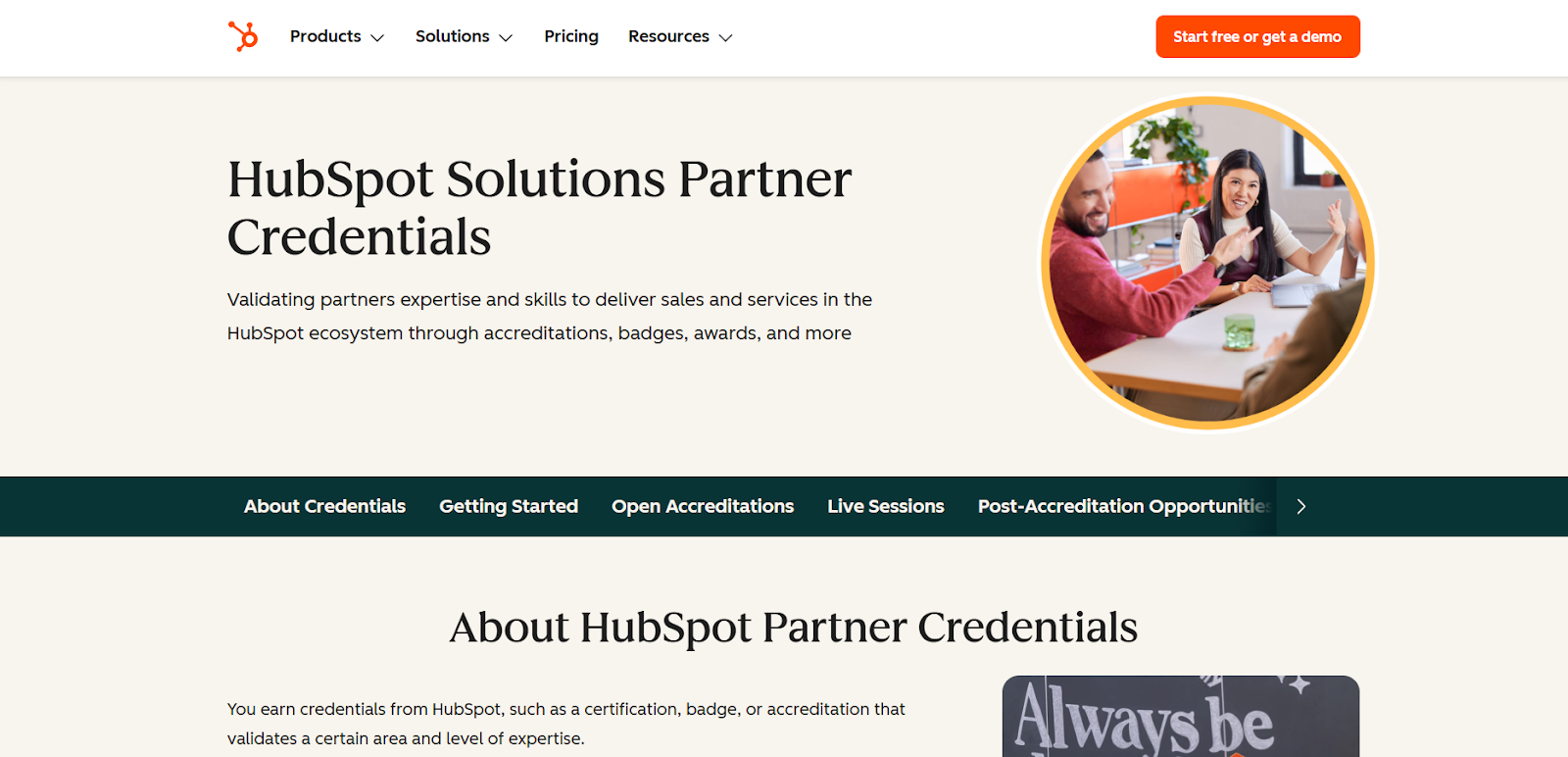
A sales engineer in the US with one to three years of experience would earn about $23.54 per hour. To start, you can partner with an account executive on a side project, or earn free credentials like HubSpot’s Solutions Partner badge or Salesforce’s Trailhead Superbadges to show you can navigate enterprise platforms.
Sales engineering pros:
- High earning potential: Total compensation packages often match or exceed engineering salaries, combining base pay with a commission structure.
- Face-to-face problem solving: Work directly with customers to understand their challenges and design solutions in real time.
- Product strategy exposure: Gain front-row insight into which features customers value most and how products compete in the market.
Sales engineering cons:
- Quota-driven pressure: Your success is measured by closed deals and revenue targets, which can create stress during slow sales periods.
- Frequent client travel: Meeting prospects on-site means regular trips that disrupt personal routines and work-life balance.
- Technical depth trade-offs: Breadth across many products matters more than deep expertise in one technology stack.
Best for: Technical people who enjoy customer interaction and have persuasive communication skills. Ideal for those comfortable with commission-based compensation, travel requirements, and the adrenaline of closing complex technical sales while using coding knowledge without living in an IDE.
7. QA automation engineering
Manual testing creates bottlenecks that delay releases. As a QA automation engineer, you solve this by writing scripts that test software automatically, catching problems before users see them.
Your day involves building test frameworks using tools like Selenium, Cypress, or Playwright.
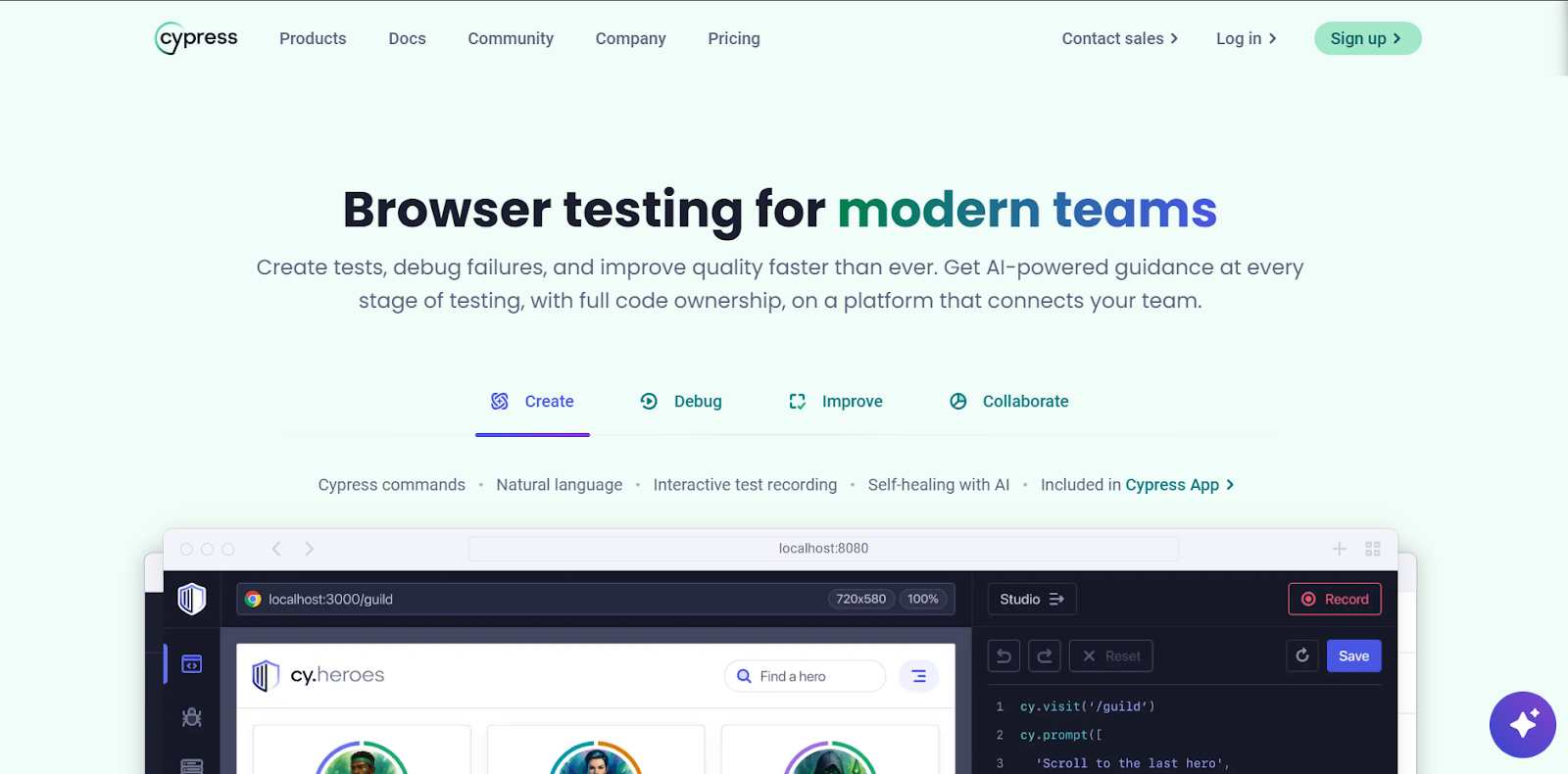
You write tests in Python or JavaScript — the same languages most development teams use. These scripts plug directly into CI/CD pipelines, running checks whenever code is pushed. When something breaks, you get alerts instead of angry customers.
The detective work matters just as much as the programming. You dig through logs and dashboards, hunting edge cases that product teams never considered. Understanding Git, Docker, and basic networking helps you reproduce those intermittent failures that impact applications.
QA automation engineers earn an average of $35 per hour, with demand staying strong as companies rely on reliable quality checks. To get started, you can build a test suite for any side project, push it to GitHub and link it to your résumé.
QA automation engineering pros:
- Better work-life balance: You’ll have a more predictable schedule with no emergency production debugging.
- High demand: Companies can’t ship without reliable testing, creating consistent job security.
- Transferable skills: Testing knowledge and automation expertise apply across industries and technologies.
QA automation engineering cons:
- Repetitive work: Writing similar test cases and maintaining existing suites can feel monotonous.
- Perceived lower prestige: Some organizations view QA roles as less technical than development positions.
- Less creative: Focus on verification and validation rather than building new features.
Best for: Detail-oriented coders who enjoy breaking things and finding edge cases. Ideal for those prioritizing work-life balance and job stability over cutting-edge development, with satisfaction coming from preventing bugs rather than shipping new features.
8. Low-code or no-code solutions building
Have you watched developers spend months building what should take a week or two? As a low-code solutions architect, you skip the endless programming cycles and ship working applications using platforms like Bubble, Airtable, and Zapier.
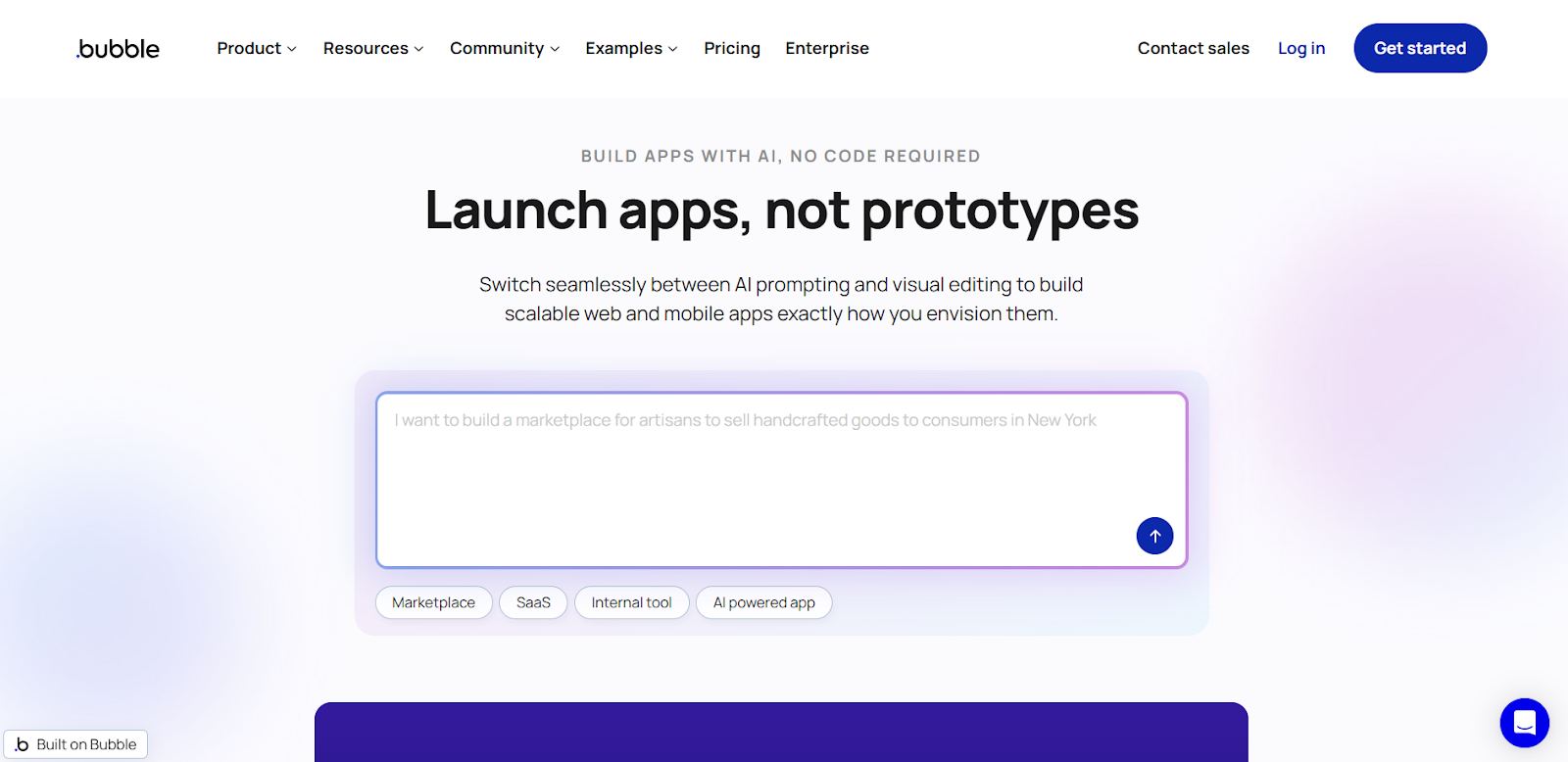
Your value lies in systems thinking, like translating a finance manager’s chaotic spreadsheet into an automated approval workflow that actually works. You need to spot the difference between what someone says they want and what they actually need.
Platform knowledge, problem-solving skills, and a basic understanding of HTTP make you valuable. Freelance no-code developers typically earn $20 or more per hour. To get started, you can build a functional Airtable MVP, document your process on GitHub, and grab platform certifications. Most vendors offer free badges that recruiters actively search for.
Expect rapid feedback loops and creative freedom, balanced against the risks of platform lock-in when business needs outgrow your toolset.
Low-code solutions building pros:
- Rapid development: Ship functional applications in days or weeks rather than months of traditional development.
- Lower technical barrier: Focus on business logic and workflow rather than deep programming knowledge.
- Growing market: Businesses increasingly adopt low-code platforms, creating consistent demand.
Low-code solutions building cons:
- Platform lock-in: Applications depend entirely on vendor platforms with limited migration options.
- Scalability limitations: Complex business needs often outgrow the capabilities of low-code platforms.
- Less technical prestige: Some developers view low-code work as less sophisticated than traditional programming.
Best for: Pragmatic problem-solvers who value business outcomes over technical purity. Ideal for those who enjoy rapid prototyping, working directly with business users, and shipping working solutions quickly without getting bogged down in traditional software development cycles.
How AI training at DataAnnotation provides coding projects for experienced engineers
AI training (evaluating and improving AI model outputs) fits the limited-time constraint because assessment handles matching, quality measurement drives advancement, and projects fit focused blocks.
At DataAnnotation, AI training involves technical judgment, not task completion:
- You evaluate code generated by AI systems for correctness, efficiency, and edge case handling
- You rank chatbot responses based on technical accuracy and adherence to instructions
- You review solutions to complex problems and identify where reasoning breaks down
- You label technical content with domain expertise so models learn to distinguish quality
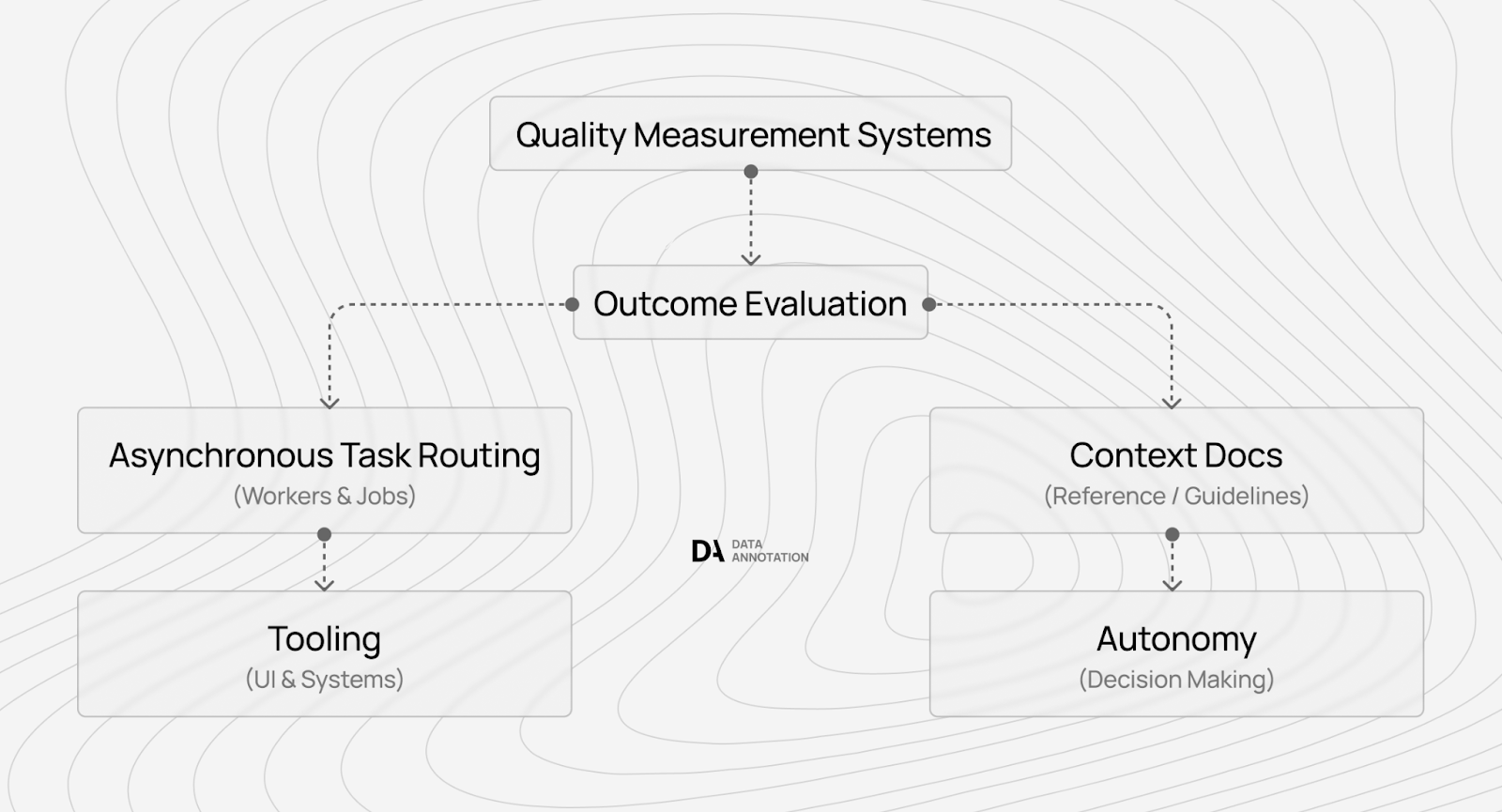
We pay more than freelance platforms because your tier is determined by assessment, not bidding against the cheapest competitor.
Our assessment tests actual capability through a 1-2 hour qualification that measures critical thinking, attention to detail, and domain knowledge. No whiteboard algorithms. No credential requirements. Performance determines which project tiers you access.
Explore part-time work at DataAnnotation
If assessment-based work resonates more than freelance bidding or app building and you have the expertise, here’s how to get started:
- Visit the DataAnnotation application page and click “Apply”
- Fill out the brief form with your background and availability
- Complete the Starter Assessment (about an hour)
- Check your inbox for the approval decision, which typically arrives in the next few days
- Log in to your dashboard, choose your first project, and start working
No signup fees. We stay selective to maintain quality standards. Just remember: you can only take the Starter Assessment once, so prepare thoroughly before starting.
Apply to DataAnnotation if you understand why quality beats volume in advancing frontier AI — and you have the expertise to contribute.
.jpeg)